As organisations continue to introduce more AI tools into their business processes, HR faces a critical challenge: how to help managers and teams adapt, accelerate knowledge transfer, and avoid the productivity paradox. In this environment, traditional learning models are no longer delivering change quickly enough or in a measurable way. Training content is quickly forgotten, little is applied in practice, and meaningful behaviour change is rarely achieved. The issue is not necessarily the quality of the content, but the learning format, which often fails to support the transfer of knowledge into everyday work.
Behaviour changes through feedback and experience
Over the past few years, every organisation has been talking about AI, automation, and new digital tools and rightly so. Technology can genuinely speed up work, reduce administrative burden, simplify processes, and create space for better decision making. However, even the most advanced tools have their limits. If a team does not talk openly about problems, no technology will improve communication or collaboration. If there is no culture of feedback, a new platform will not create one. If responsibilities are unclear, software alone will not bring clarity.
Likewise, if team members struggle to organise their thoughts, communicate clearly, or stay focused, they are missing the core skills needed to work effectively in a complex and constantly changing environment. Without those capabilities, they are unlikely to adapt successfully to new tools or new ways of working. People naturally return to familiar habits, especially under pressure.
That is why organisations that build sustainable L&D strategies early will be the ones that succeed.
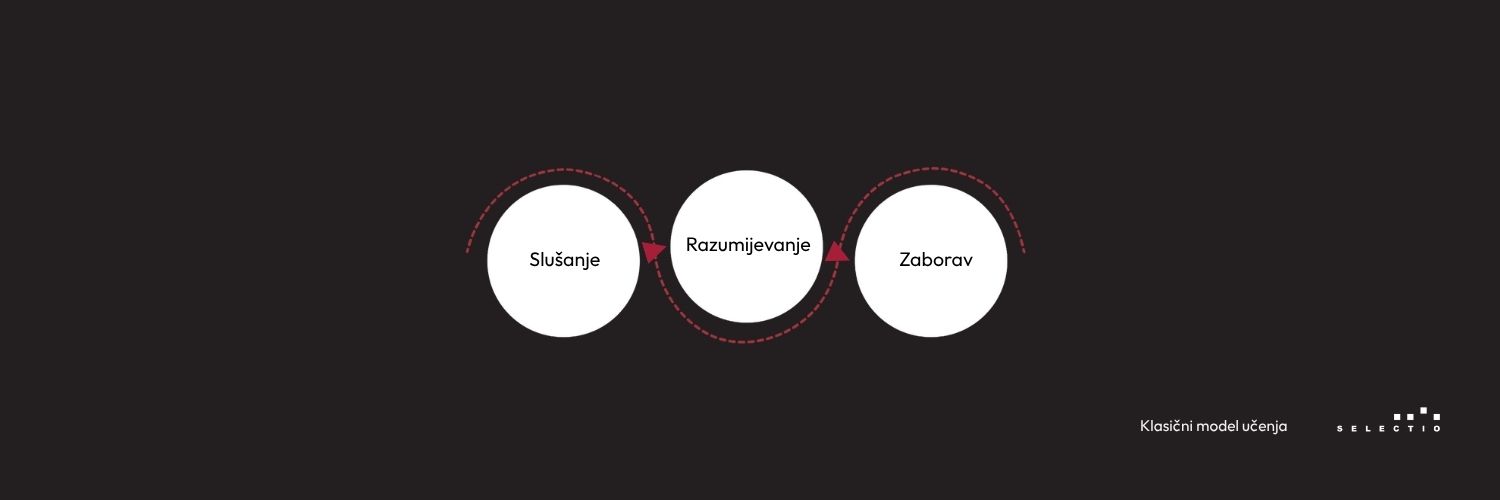
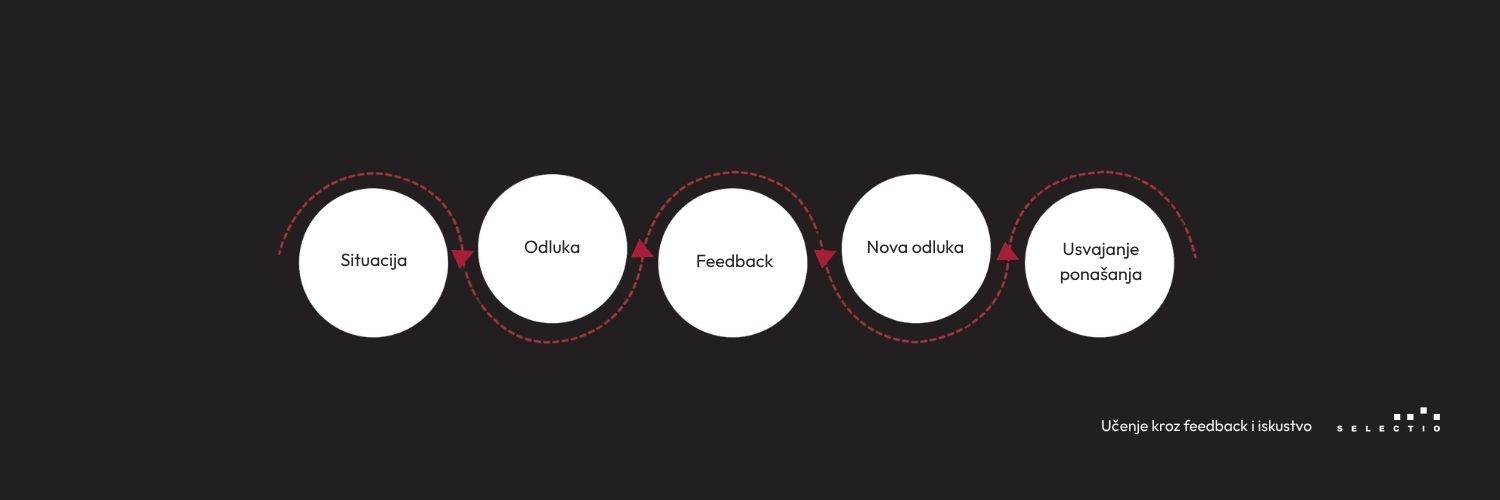
Real development begins outside the comfort zone
Today, organisations are looking for learning experiences that are practical. There is little value in teaching participants a theoretical model if they return to the same behavioural patterns afterwards. The goal is for people to learn a tool, test it, discover where they struggle, and connect it directly to real business situations.
At SELECTIO, our team development programmes focus on turning knowledge into behaviour. They are designed as focused learning sprints with clear objectives and immediate application, whether the priority is communication, collaboration, feedback, negotiation, resilience, change management, or another business challenge. The sprint format works because it does not try to solve everything at once. Teams focus on one development area, explore it in depth, and leave with practical tools they can immediately apply. The programmes include practical exercises, real business cases, simulations, reflection, feedback, and action planning. Participants are not passive observers. They are expected to discuss, negotiate, make decisions, give feedback, solve problems, and recognise their own behavioural patterns. At times this can feel uncomfortable because real development begins outside the comfort zone. That is also what makes it effective.
Adaptive learning: Combining AI and coaching
If participants leave a workshop unable to identify one thing they can do differently tomorrow, something has been missed. People no longer have the patience for knowledge that falls apart the moment they return to a team with deadlines, demanding clients, internal processes, and competing priorities. Learning must be rigorous enough to address real challenges while remaining practical enough for immediate use. To achieve this, organisations need to create an environment where people can practise safely. Adaptive learning does exactly that by using realistic scenarios that participants can immediately relate to in their own work. Business cases and simulations make it easier to apply new tools in practice.
To create a safe learning environment, we use virtual companies and AI powered simulations based on real business challenges. Participants work through realistic situations without the risks associated with everyday operations. They can experiment with new approaches, receive instant feedback, understand the consequences of their decisions, and immediately connect what they have learned to their own work. This is a model where AI and coaching complement one another. AI creates realistic scenarios and delivers immediate feedback, while coaches help participants understand their behavioural patterns, make better decisions, and transfer new skills into everyday practice.
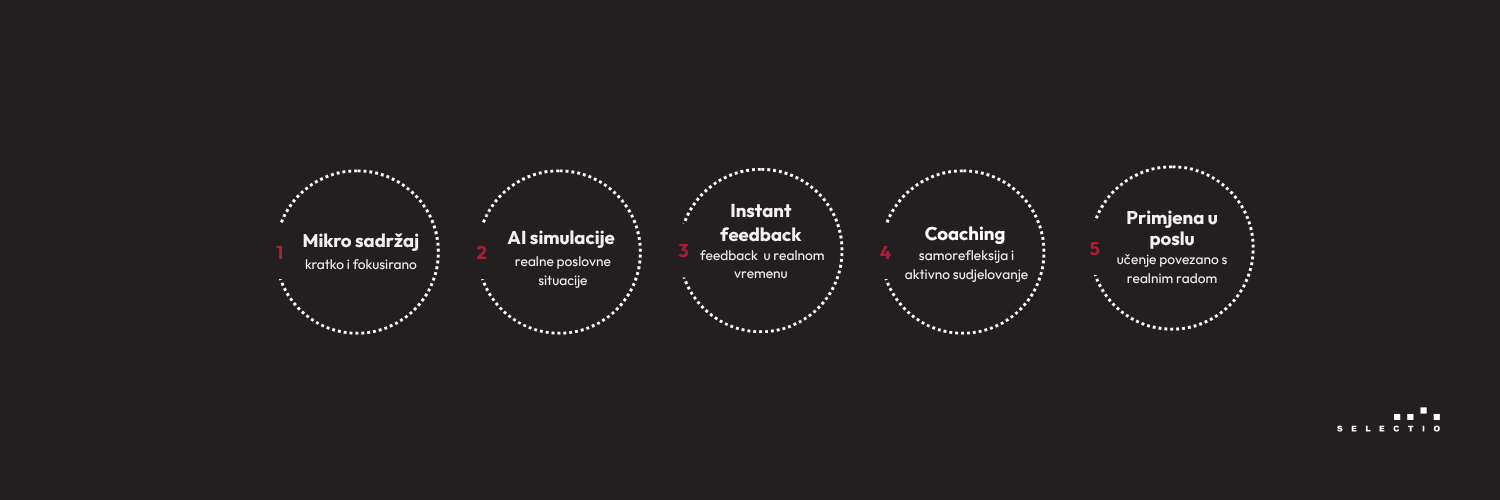
Participants therefore move beyond theory and practise the situations that most often slow teams down. In a virtual company they may encounter unclear goals, last minute priority changes, demanding stakeholders or clients, cross functional conflict, poor or missing feedback, excessive workload, unclear responsibilities, or resistance to change. In other words, a typical working day, structured in a way that accelerates learning.
Every programme is tailored to the organisation's objectives, industry, participant profile, level of seniority, and specific team challenges. Teams quickly recognise when a development programme is disconnected from their reality. When examples feel irrelevant, tools do not match real workplace situations, or key business challenges are ignored, engagement naturally declines.
A measurable investment in performance, adaptability, and team effectiveness
AI will continue to transform the way organisations work. Companies that want to remain competitive will need L&D strategies that genuinely change behaviour and accelerate the application of new skills. The focus is shifting from traditional training models to adaptive learning, where development happens through real business situations supported by AI simulations, structured coaching, and continuous feedback.
If your organisation is rethinking its L&D strategy, explore our leadership development programmes and team development programmes built around this adaptive learning approach.